

TNR
Trap, Neuter, Return Program
Trap-Neuter-Return (TNR) saves lives
Trap-Neuter-Return (TNR) is the only humane and effective approach to community cats, or unowned cats who live outdoors.
Scientific studies show that TNR effectively addresses the community cat population by ending the breeding cycle, meaning no new kittens are born to a community cat colony. As sound public policy, TNR addresses community concerns, reduces shelter intake and killing, and reduces calls to animal services, all of which save cats’ lives and taxpayer dollars.
When cats are free from the burdens of mating and reproducing, their relationships improve with the people who live near them (think: no more kittens outdoors or yowling, roaming, fighting, or spraying). Additionally, many diseases associated with reproduction, like certain cancers, are prevented.
(Thanks to alleycat.org)
The TNR process is simple: community cats are humanely trapped, brought to a veterinary clinic to be spayed or neutered, vaccinated, and eartipped (the universal sign that a cat has been spayed or neutered through a TNR program), then returned to the outdoor homes to which they are bonded so they can live out their lives where they thrive.
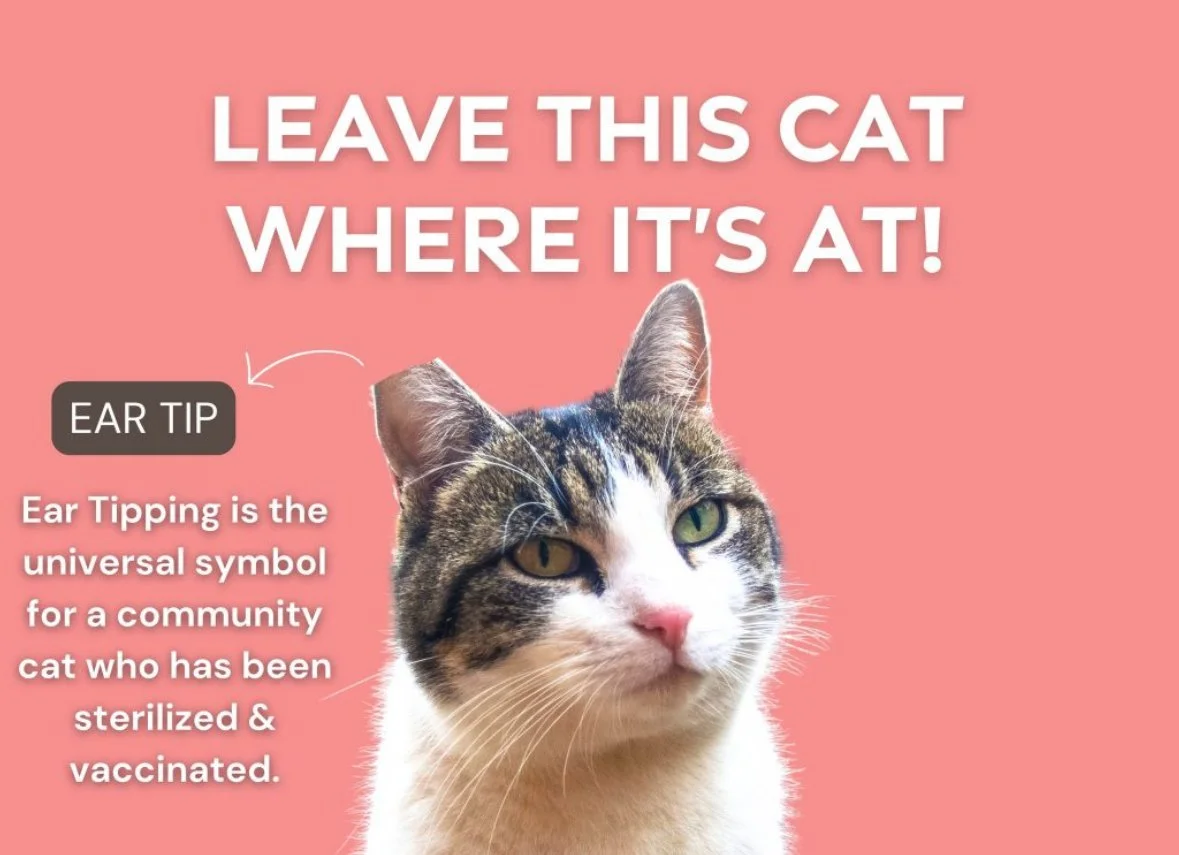
TNR stands for Trap. Neuter. Return.
Not trap-neuter-relocate.
Not trap-neuter-rehome.
TNR is for feral and unsocialized cats who are healthy and thriving outdoors.
Moving them to a barn? That’s relocation.
Adopting them out? That’s rescue.
And here’s the truth:
Relocation doesn’t always work. Cats are territorial. When you move them, they often flee, get injured, or die trying to get back to their home. Especially when done incorrectly.
Rehoming isn’t usually possible. These cats aren’t socialized to humans, and trying to force them into homes is cruel—not kind.
TNR saves lives.
It stabilizes colonies, stops the cycle of endless kittens, and lets cats live out their lives where they’re already thriving.
Know the difference.
Educate others.
Support real solutions.
Learn about TNR
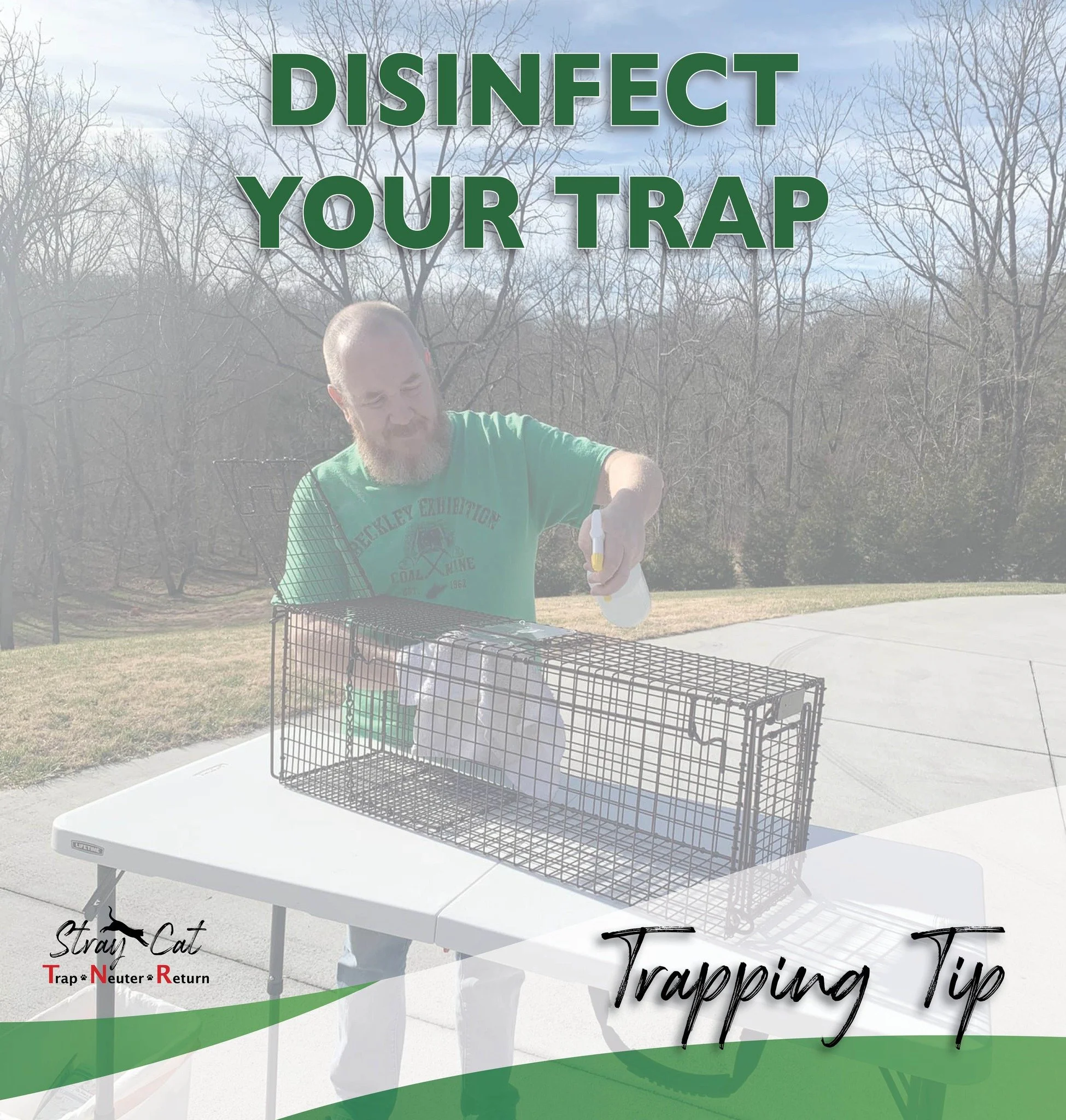
Why is cleaning your trap in between different cats important?
DISEASE PREVENTION: Cats can carry and transmit various bacteria, viruses, and parasites. Thoroughly cleaning the trap after each use helps prevent the spread of diseases among the cats. You can use a diluted bleach solution or Rescue disinfectant. We also like to use vinegar to neutralize the scent. This minimizes the chances of cross-contamination between different cats, especially since feral cats might not have robust immune systems or may carry illnesses like FeLV.
REDUCES STRESS: A trap that still carries the scent of a previous cat can be alarming or stressful for a new cat approaching it. Cats are highly sensitive to smells, and a strong scent left by another cat might deter them from entering the trap. Cleaning the trap eliminates these residual odors, making it more appealing for the next cat to enter, and thus increasing the effectiveness of the trapping efforts.
HYGIENE: Cleaning the trap removes any urine, feces, blood, or vomit that the previous cat might have left behind. This creates a more hygienic and comfortable environment for the next cat.
TRAP LONGEVITY: Regularly cleaning the traps removes debris and bodily fluids that can corrode the trap's material and shorten its lifespan.
Ensure that any materials used to line the bottom of the trap, like newspaper, cardboard or pee pads are replaced with fresh, clean ones for each new cat.
If you’re able, please donate to support this community program. We rely 100% on donations.